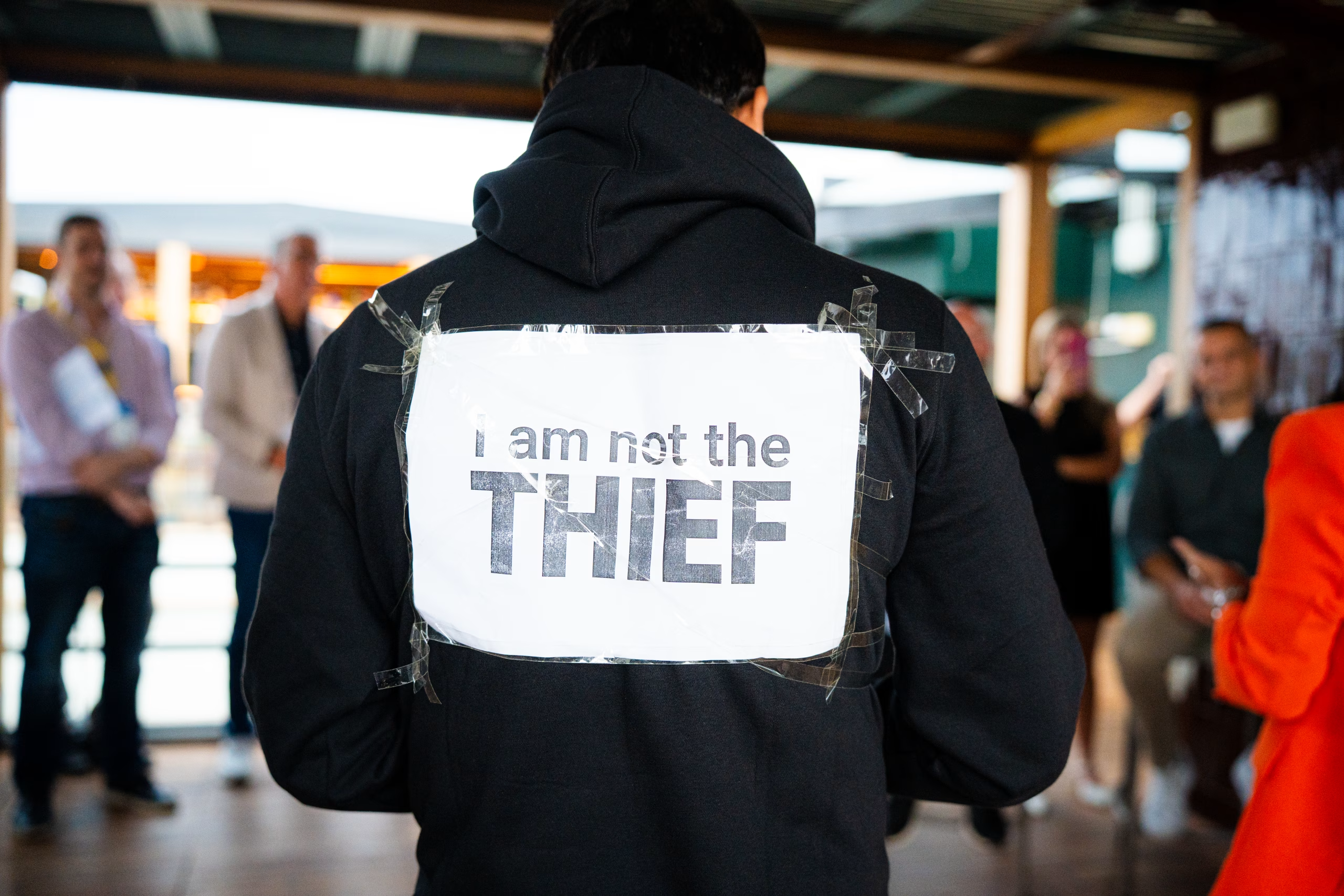


We need to talk about staff dishonesty in retail
Staff dishonesty in retail was the central theme at our recent meeting of the retail loss, safety and security working group.
One retailer described how internal theft was on the agenda at head office.
But, further down the chain of command, it remained a subject that the organisation struggled to discuss.
While the retailer had investigation findings and senior management’s attention, it lacked the freedom to share those findings with operational teams.
We heard how this silence was limiting the benefits of the work already being done.
Participants explored how reporting, regular communication and colleagues’ willingness to speak up were changing their approach to internal theft.
Making the numbers visible
At our meeting, one retailer shared details of its programme that connected:
- central communications;
- an investigation team;
- and colleagues working in the field.
Stores received guidance on recognising concerns, reporting them and reviewing their own processes.
Managers had an interactive guide bringing together information that had previously been spread across different resources.
It covered suspicious activity, reporting routes, expected procedures and checks to help stores identify areas needing attention.
Reporting gave area managers and senior retail leaders visibility of investigations, outcomes and store engagement.
The retailer described how this helped change perceptions and encourage stores to contact its central investigation team.
A new interactive dashboard, demonstrated at the meeting, would allow managers to explore cases, outcomes and detected losses by region and group.
A separate view showed which stores were asking for investigative support, including those with the greatest losses.
At the time of our meeting, manually compiled reports were already circulating.
The interactive dashboard was due to launch in the following reporting period, along with regular weekly updates.
We heard from other loss prevention teams with strong analytical capabilities that struggled to communicate their findings more widely.
The new programme outlined a way of making differences between groups visible and opening up discussion about them.
What more cases can tell us
Following its campaign and wider engagement work, the retailer reported that:
- year-to-date case numbers had more than doubled;
- while store engagement had increased by around a third.
So, when a colleague reported a suspicious shopping transaction involving fellow employees, the central team investigated and identified repeated thefts.
The results demonstrated greater reporting and detection activity, but they did not establish how much underlying theft had fallen, nor how much loss the campaign alone had prevented.
The retailer also acknowledged the limitation that some information came from stores assessing their own compliance.
While managers could use it to guide further checks, it was not an independent assessment of everything happening in a store.
Keeping the message alive
Regular communication was a feature of the programme described to us.
Leadership updates covered emerging patterns and case outcomes, stores got insights relevant to their work, and the recurring activity kept internal theft on the agenda.
One participant described a familiar gap:
- strong messages at induction make clear the consequences of wrongdoing;
- but there are too few consistent reminders after induction;
- sales, staffing and other operational pressures can crowd the subject out.
Another operator described how annual training for seasonal employees, accessible guidance and investigation summaries helped.
These gave managers an opportunity to consider whether similar weaknesses existed at their own sites.
This developed the thinking behind ECR’s research into communications and internal theft.
The report explores how internal communication can influence behaviour beyond the small proportion of dishonest employees who are apprehended.
Professor Emmeline Taylor highlighted the shift towards communication becoming part of normal business activity.
Seasonal recruitment made repetition particularly relevant: a campaign’s earlier audience might be very different from the team working in a store today.
Beyond the till data
Several participants described strong capabilities for finding suspicious refunds, discount misuse and other transactions.
But they were less confident about stock theft or consumption that left no till record.
One retailer was combining different data sources, including alarm activity and staffing records, to identify inconsistencies.
Others described the value of colleagues noticing behaviour or physical signs, such as empty packaging.
These concerns echoed ECR’s research into the opportunities exploited by dishonest employees.
For this, Professor Adrian Beck examined weaknesses in everyday processes as well as offending at tills.
We heard how participants at our meeting are interested in making concerns easier to report.
Calls, email, WhatsApp and QR codes all featured in the discussion, although their uses and stages of deployment varied.
Prof Taylor wanted more evidence about which routes employees actually used. Offering several channels was not, by itself, an answer to that question.
Keeping honest colleagues on side
Our employee engagement research found an association between employees feeling valued and lower store losses.
And Prof Taylor, stressed the importance of deterring dishonesty while keeping the trust of honest colleagues.
She said: “We want to make sure that our honest staff feel trusted and empowered.”
The colleague’s report of suspicious behaviour, shared earlier with the working group, shows the value of a trusted team in uncovering and preventing theft.
For more information, listen to Prof Taylor’s podcast on tackling the taboo of internal theft.