

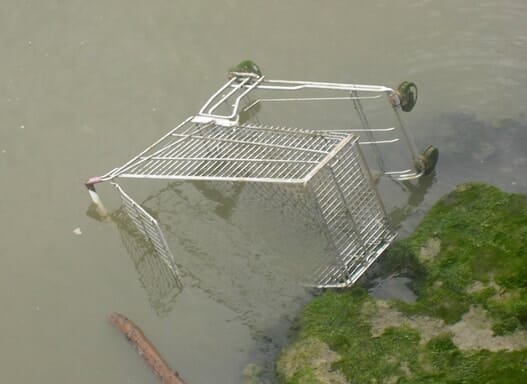
Managing Trolley Losses: Retail Best Practices
In the USA, over 2 million shopping carts are lost every year. What are the best ways to track and monitor this problem? What are the root causes? What are the interventions that can make the biggest difference? And what “out of the box” innovations could deliver a paradigm shift in the loss rate?
These were the open questions the working group sought to answer. Here is a summary of the discussion.
The Scale of the Problem
Retailers in the group reported annual trolley losses ranging from 3% to over 35%, depending on location and store type. One UK retailer loses between 4,000 and 5,000 trolleys annually, costing approximately £500,000. A USA retailer reported losing over 50,000 carts in a year, about 11% of its fleet, translating to a potential $20 million replacement cost.
All retailers reported a clear pareto pattern. For one retailer, 25% of the stores represented over 70% of the losses, underscoring the magnitude of the issue, especially in urban and high-theft areas.
Root Causes of Trolley Loss
The causes of trolley loss are multifaceted:
- Theft for scrap metal: rising steel prices have made metal trolleys attractive targets for theft, often by organised groups using unmarked vans. For a wider view of how stolen goods are resold, see our work on disrupting the market for stolen goods.
- Customer entitlement: in some regions, customers feel entitled to take trolleys home, leading to widespread abandonment in residential areas. Coin locking potentially helps increase this feeling of entitlement.
- Homelessness and anti-social behaviour: trolleys are frequently used by unhoused individuals or vandalised by youths, especially in urban centres.
- Operational gaps: inconsistent counting, lack of accountability, and limited surveillance contribute to unnoticed losses, and to wider retail shrinkage.
Current Interventions and Best Practices
Retailers are deploying a variety of strategies to mitigate trolley loss, focusing on prevention, accountability, and innovation.
1. Accountability and Awareness
- Many retailers are working to shift internal mindsets, treating trolleys as valuable assets rather than disposable tools.
- Education campaigns for staff and customers emphasise the cost and impact of trolley loss.
- Some retailers have created dedicated working groups to monitor high-loss stores and improve reporting.
2. Technology and Tracking
- Gatekeeper systems: these use perimeter loops to lock trolley wheels when they leave designated areas. While effective, they are costly and unsuitable for shared or complex retail environments.
- Coin locks: still used in some regions, these encourage returns but are less effective in a cashless society.
- Digital locks and apps: trials involving app-based unlocking systems have faced challenges with user adoption and cost.
- GPS and RFID: these technologies are being explored but are currently cost-prohibitive at scale. Our work on RFID retail innovation insights sets out the wider picture of where the technology is heading.
3. Plastic vs Metal Trolleys
- Plastic trolleys: most retailers were trialling or have trialled fully plastic trolleys to reduce scrap value. Results show significant reductions in theft, but concerns remain about durability, flammability, and recyclability.
- Hybrid models: some retailers use a mix of plastic and metal to balance cost and resilience.
- Recycling and sustainability: plastic trolleys are often made from recycled materials (e.g. milk cartons), but end-of-life recycling logistics remain a challenge.
4. Design and Deterrence
- Powder coating: one retailer has successfully used green powder coating to make trolleys identifiable and less attractive to scrap dealers.
- Perimeter bollards and barriers: physical deterrents are used in some locations to prevent trolleys from leaving premises.
- Customer feedback: retailers regularly gather in-store feedback to assess customer acceptance of new trolley designs and approaches to reducing losses.
5. Collaboration and Law Enforcement
- Retailers are increasingly working with local councils and police to address trolley theft, especially in areas with high homelessness or organised crime.
- Some are advocating for stronger enforcement of existing laws against trolley removal and better coordination with scrap yards.
Moving Forward
Despite the diversity of approaches, one theme is clear: there is no silver bullet. Retailers must adopt a tailored, multi-pronged strategy based on store location, customer demographics, and operational capacity. Collaboration across the industry, investment in innovation, and a cultural shift toward valuing trolleys as critical assets are essential steps forward.
Retailers interested in addressing trolley loss should begin by auditing their current fleet, identifying high-risk locations, and piloting a mix of interventions. Sharing data and best practices across the sector will be key to developing scalable, cost-effective solutions.
If you would like to join our working group on trolleys and other loss prevention topics, join our retail loss, safety and security working group and sign into our online meetings.