
How to Reduce Retail Food Waste: 66 Practical Ways for Retailers
How to reduce retail food waste is one of the most stubborn questions in grocery. The levers are well known and yet the answers are bound up in competing priorities: limited store hours, supply chain optimisation, product margin, risk appetite, brand reputation, vendor capabilities, and more.
Nearly ten years ago, ECR Retail Loss published a paper listing 65 practices to help retailers sell more and waste less. The paper was authored by Assistant Professors Karel Van Donselaar and Rob Broekmeulen at Eindhoven University. We recently reviewed all 65 and they have survived the test of time.
The list below sets out all 66 practices in their original groupings. They are split between the supply side (waste less) and the demand side (sell more), and then by the part of the organisation that can influence and action each practice. Take a look and compare them to your current operation. The review works well as a cross-functional team exercise, sparking new thoughts and ideas.
First, the Supply Side (waste less)
Actions for the Stores and Store Operations functions
Management
- Create awareness among store associates of the importance of waste reduction, for example, by giving them frequent feedback on the impact of waste on the environment
- Ensure sufficient workforce are available for timely shelf restocking
- Record the expiration dates per SKU and stimulate demand for items where expiration date is approaching and excess stock is large
- Introduce easy to understand KPIs related to waste, set realistic targets, and give incentives when targets are met
- Educate and train store management and employees on routines
- Ensure the delivery of promotions in every store is aligned with promotion conditions (especially display) as used in forecasting
- Ensure every store executes the markdown strategy perfectly
- Introduce in-store final processing (for example, bake-off or butcher)
Shelf replenishment
- Put oldest items at the front
- Make shelves large enough to prevent OOS
- Align the actual number of facings on the shelves (not necessarily equal to planogram) with demand
- Create a well-organised and accessible backroom, especially cold rooms
- Use easy-access and handling-friendly crates or boxes (e.g. plastic crates with standardised sizes)
Actions for the Category and Supply Chain Replenishment functions
Replenishment logic
- Supply goods for promotions in two waves and use early sales information during promotion of second wave
- Use age-based replenishment logic
- Allow flexible lot-sizing for items with high waste
- Apply a new replenishment logic: using inventory and order up to levels at aggregate level for categories with high substitution willingness (i.e. first determining the aggregate desired number of products for the entire product category and then breaking it down to the SKUs)
- Increase inventory, sales and supply data accuracy
Case pack size
- Optimise case pack size, making trade-offs between handling costs and waste
Minimum stock
- Optimise safety stock and commercial display stock to balance customer service and waste
- Differentiate target service levels for items with long and short shelf life
- Differentiate target service levels for items with high and low average demand for categories with high substitution willingness
- Align customer service definitions in management report systems and in replenishment systems
- Timely reduction of safety stocks for items near phasing-out or near end-of-season
Actions for the Supply Chain and Vendors
- Discuss options for products with longer shelf lives with current supplier
- Select new suppliers with flexible production, short lead times, and longer product shelf lives
- Educate and reward buyers for waste reduction
- Apply cross-docking
- Increase delivery frequency (for example, by combining fresh and ambient products in one truck or use retail DCs instead of direct delivery by suppliers)
- Pick orders in the DC during the night
- Optimise the balance between the target service levels for the DCs and the stores. Optimise the minimum shelf life left for the store when the product leaves the DC
- Use different ingredients or different production technologies to improve products’ image of freshness and the shelf life
- Use innovative packaging to increase the shelf life
- Cooperate with supplier to exchange operational data (inventory, forecast, actual sales) and KPIs to align production at suppliers with demand
- Implement vendor-managed inventories
- Implement supply chain synchronisation and push the majority of the inventory downstream as soon as storage space is available
Secondly, the Demand Side (sell more)
Increase demand
- Review assortment and eliminate bleeders where waste is more than 50-80%, thereby increasing demand for substitutes
- Stimulate sales for slow movers through better information to consumers (e.g. explaining benefits of organic food)
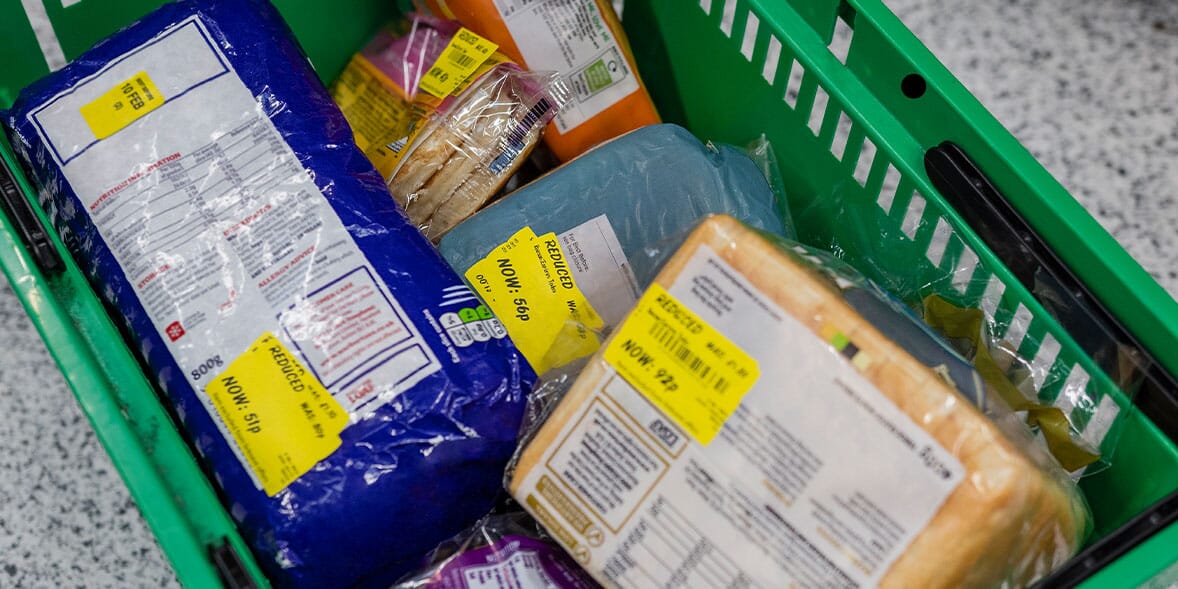
- Offer damaged or ugly food at discounted prices
Markdown strategy
- Evaluate use of markdowns on items which approach their sell-by-date
- Only markdown if items would not be sold otherwise (based on actual inventory and demand forecast information)
- Optimise the timing and the extent of the markdown
Change withdrawal and shopping behaviour
- Reduce space between shelves
- Reduce number of batches with different shelf lives on the shelf
- Educate consumers on differences between sell-by-dates, use-by-dates, and best-before-dates
- Inform consumers on possibilities of using misshapen food items
Reduce demand uncertainty
- Increase average demand per SKU
- Apply Everyday Low Price (EDLP) strategy
Reduce demand dynamics
- Deliver smooth weekly sales pattern, e.g. by having special promotions on days with low traffic
- Give additional stimulus to sales during phasing-in or out of products (extra promotion, taste for free, reduced prices)
Improve demand forecasting
- Use different forecasting techniques for items in different situation (whether item is regular, on promotion, phasing-in or out, with trend, and/or with seasonal pattern)
- Detect trends and/or seasonal patterns when forecasting demand, and, if necessary, apply different forecasting parameters
- Remove promotional sales data when forecasting regular sales (also when selected stores prolong the promotion to avoid waste)
Promotion management
- Apply Everyday Low Price (EDLP) strategy
- Avoid multi-consumer-unit offers like ‘2 for 1’
- Investigate substitution effects and reduce forecasts for items facing cannibalisation
Change planograms and displays
- Use alternative ways to display items (for example, partly fake items with smaller amount of real items, or use pictures or multi-media) so that even in the face of out-of-stocks there is a customer perception of wide choice and abundant inventory
- Only use multiple facings for fast moving items
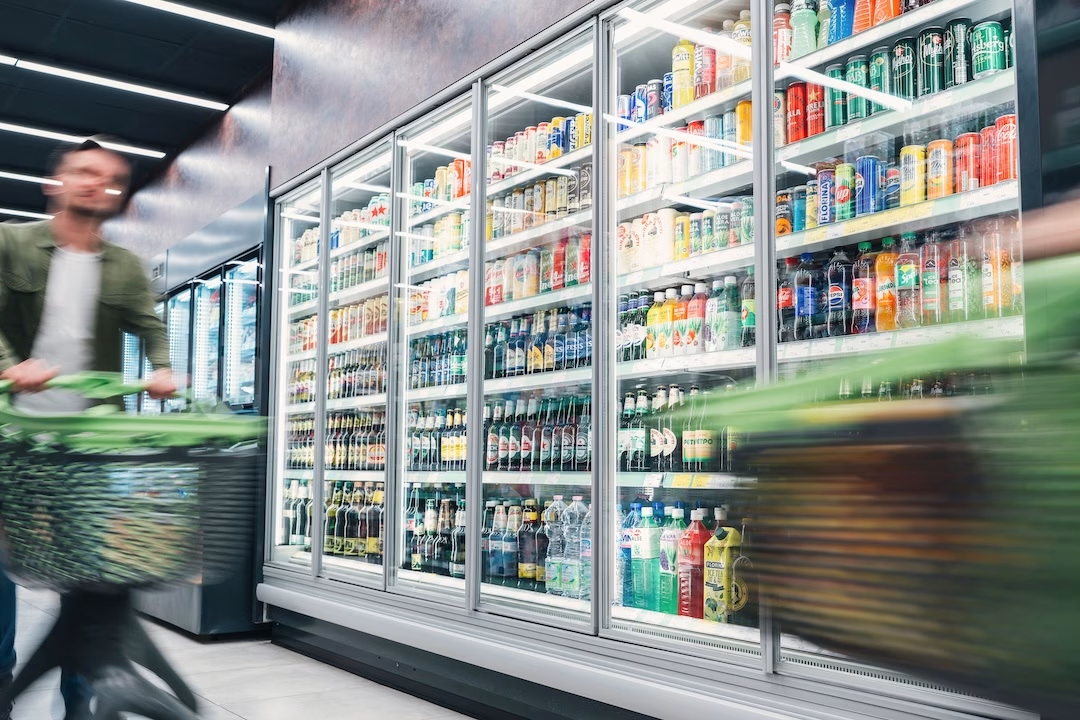
- Improve storage conditions within store (install chilled cabinets with transparent doors)
- Change merchandising policies from “Pile ’em high” to new, store-specific merchandising policies
Assortment
- Carry a dynamic assortment for the slow movers and specialties based on the production schedule of the supplier
- Remove bleeders or replace them by new items
- Add items to assortment that can be used with items near to sell-by-date as ingredients (e.g. fresh soups) or consume on the premises like in food markets
- Educate and reward category managers on waste reduction
- Align assortment and/or planograms with average demand for individual stores or groups of stores
- Offer smaller consumer units
What next
As with all the research we do at ECR Retail Loss, we welcome your feedback. Any retailer, producer or academic can participate in ECR Retail Loss, joining our working groups for online and in-person meetings at no cost. We might ask you to share some data along the way.