
10 Steps to Scaling QR Codes in Retail
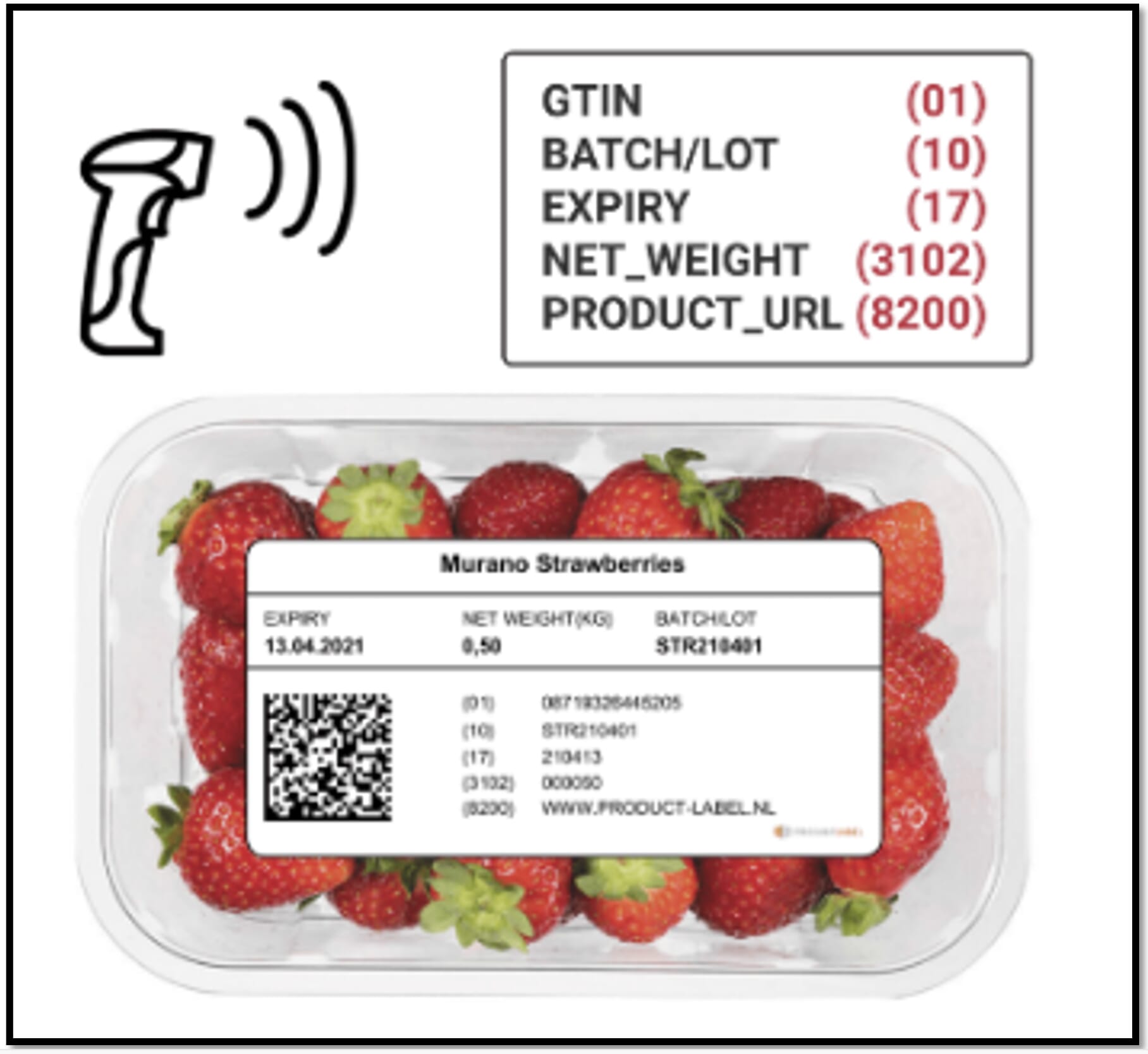
Our new report on Scaling QR codes in retail sets out a clear, practical roadmap for how 2D/QR codes with embedded expiry dates can transform grocery retail — cutting food waste, reducing losses, supporting compliance, and ultimately helping businesses sell more and lose less.
The benefits are substantial. By embedding expiry data into scannable 2D/QR codes, retailers can:
Block expired items from being sold — meaning shoppers are never sold an out-of-date product again
Gain real-time visibility of product freshness
Enable dynamic markdowns and smarter replenishment
But while the technology is ready, scaling adoption across the grocery sector will require coordinated effort.
That’s why this new report, Scaling QR Codes with Embedded Date Codes, outlines 10 critical steps to accelerate adoption by 2030. The framework is the result of a major collaborative exercise involving more than 60 food waste experts, including representatives from 25 retailers and academics from five universities, who worked together to map out the industry-wide conditions needed for success.
The 10 critical steps to scaling QR codes in retail
Support regulatory requirements – QR codes can help retailers comply with emerging food safety and waste reduction laws
Make food waste a strategic priority – Progress depends on C-suite buy-in and cross-company investment
Standardisation across the industry – The sooner that retailers and industry bodies (inc CGF and FMI) agree end-to-end standardisation of 2D/QR codes powered by GS1, the faster adoption will accelerate
Appoint a clear internal owner – Assigning a “Directly Responsible Individual” (DRI) helps drive momentum across functions
Build a business case – Define success, measure ROI, allocate costs and measure benefits for all stakeholders
Ensure tech readiness – From POS to ERP, update systems so they can read and act on QR code data
Engage internal teams – Train staff. Roll out tools, and build capacity to embed QR code use into new daily routines
Prepare suppliers and partners – Prepare the entire supply chain – from label printers to fresh food vendors. Help them buy into your vision.
Build consumer trust – Show how QR codes can offer real value to customers. From checkout accuracy to added product info
Think inclusivity – Ensure systems work for all users — including smaller suppliers and offline shoppers
Our report provides a clear roadmap to help grocery businesses transition successfully by 2030. However, it is not claiming to be, nor is intended to be the definitive, most exhaustive or the only version of the truth. But as a starting point for further discussion it should be a useful checklist for retailers looking to adopt this technology. And for industry bodies looking to speed up adoption of this game-changing new technology.
Download or read our free research report: Scaling QR Codes with Embedded Date Codes.